|
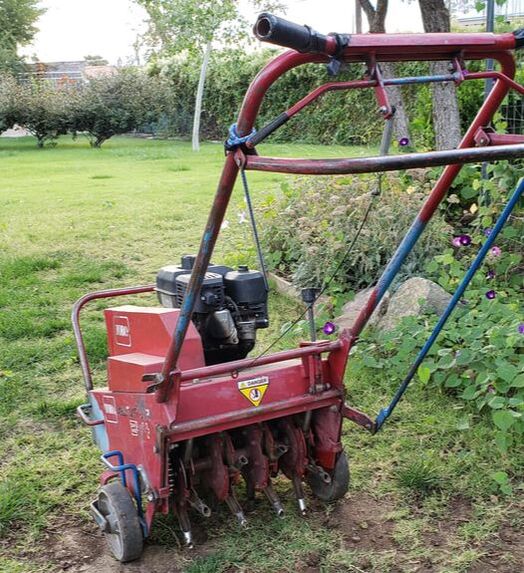
The calls are pouring in and we are getting people scheduled for spring services including power raking, aeration, fertilizing and of course, mowing. Crazy how spring just showed up out of nowhere! We are very excited to get the mowers going and the blowers blowing. Make sure your blades are sharp if you are doing the mowing yourself. And don’t forget to fertilize with some good fertilizer that has weed control. Also, treat those nonturf areas with weed control. If you need a hand give us a call. 505-836-4000.
For November landscaping in Albuquerque, focus on yard cleanup, winterizing plants, and preparing for spring. Tips include: Spreading mulch to protect roots, raking and mulching fallen leaves, aerating heavy soil, and watering lawns and plants deeply but less frequently. *You can also plant bulbs and continue to mow, but avoid cutting the grass too short. Yard cleanup and preparation
OCTOBER - PLANT AND PROTECT Lawns: Mow one last time at 2–2.5 inches for fescue; 1.5–2 inches for Bermuda before dormancy. Aerate cool-season lawns (fescue, ryegrass) early in the month. Fertilize with a slow-release, low-nitrogen formula to strengthen roots. Water deeply but less often as temperatures drop (about once a week if no rain). Trees & Shrubs: Prune lightly to remove dead or crossing branches, but save heavy pruning for late winter. Rake and compost leaves — or mulch them into beds to improve soil. Check irrigation systems and cap or wrap exposed lines to prevent freezing later. Flower Beds: Plant cool-season color like pansies, violas, snapdragons, and ornamental kale. Add mulch (2–3 inches) to insulate roots and retain moisture. Just because fall is on the way, doesn't mean that weeds are done for the year. The occasional rain and warm mid-day temperatures are still encouraging new weeds to grow in the most unwanted areas. I go on a morning walk everyday and today I noticed that the weeds are thriving. They are in the sidewalk cracks, the rock areas and even growing in shrubs and on the edges of synthetic turf. What to do? Well, you can hand pull them or spray them. We can do both. It's also helpful to put down a non-turf application with pre-emergent once they are cleared. Do you have these issues? Give us a call to schedule a weed cleanup and possible application.
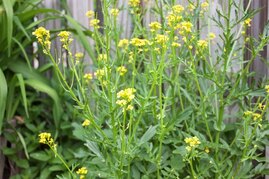
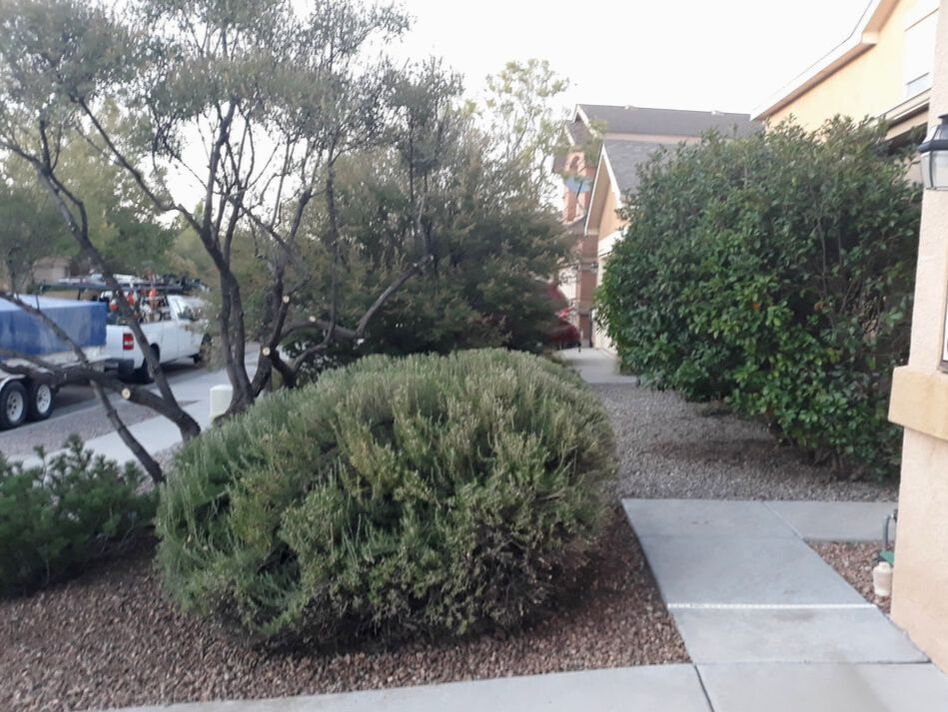
Here are just a few of the culprits we came across: Spring is just around the corner. The warmer February temperatures are gearing us up for that growing season and here are a few tips for services that can be done at this time.
In Albuquerque, February is a transitional month where winter slowly gives way to spring, but freezing temperatures can still occur. Here are some landscape maintenance tips specific to this time of year in the area: Prune Trees and Shrubs: Trees: Late winter (before bud break) is a good time to prune deciduous trees. Focus on removing dead, diseased, or damaged branches. Be cautious not to prune too much, as some trees are susceptible to winter injury. Shrubs: Prune back dead or damaged growth on shrubs. You can also shape evergreen shrubs lightly, but avoid heavy pruning until late winter or early spring to protect new growth. Clean Up Garden Beds: Remove any dead plants, fallen leaves, or debris from garden beds. This helps prevent pests and diseases from taking hold and prepares your beds for spring planting. If you have mulch, check to see if it needs replenishing or if it has compacted over the winter. Mulch helps regulate soil temperature and moisture retention. Protect Plants from Freeze Damage: Continue protecting tender plants from freezes. Use frost cloths, burlap, or blankets to cover delicate plants during colder spells. If you haven’t already, consider insulating plant roots with mulch or straw to prevent freezing. Lawn Care: If your lawn has areas that are thin or damaged from winter weather, you can begin to plan for overseeding in early spring (late February to early March). This will help your lawn become thicker and more resilient. Avoid heavy foot traffic on the lawn while it’s dormant to prevent compaction. Fertilizing: Early February is a good time to apply a light fertilizer to trees and shrubs, especially if you didn’t apply a late fall feeding. Make sure the fertilizer is slow-release to provide nutrients through the growing season. Avoid fertilizing lawns too early unless you are in a very mild microclimate, as fertilizing before the grass is actively growing can lead to nutrient leaching. Prepare for Spring Planting: Start planning your spring garden by ordering seeds and assessing your planting areas. February is also a good time to start seeds indoors for plants that need a longer growing season. In February, you can prepare to plant cold-hardy crops like peas, onions, and spinach in late winter or early spring. Inspect Irrigation Systems: If temperatures permit, check irrigation systems to ensure they are in good working condition. Inspect hoses, sprinkler heads, and drip lines for leaks or damage. If you have an automatic irrigation system, schedule an inspection to ensure it’s functioning well for the upcoming growing season. Compost and Soil Care: Add organic compost to garden beds to improve soil structure and fertility for the growing season ahead. Composting now can help enrich the soil for spring planting. If you plan to till or amend soil in flower or vegetable beds, do so carefully as the soil may still be too wet from winter moisture. Weed Control for Non Turf areas Are there rock areas in your yard that are notorious for growing weeds? Then you need to put down a non-turf application. We are starting these in February. This is most successful when you put down a pre-emergent which helps stop weeds from emerging and growing. If they are already growing, they will need to be pulled or sprayed as soon as possible to avoid spreading more. Once they go to seed, you will have a bigger problem. So February is a good time to get control of the weeds, before they start growing. By taking these steps, you can help ensure your landscape thrives as the weather warms in Albuquerque. January in Albuquerque, New Mexico, brings a winter landscape that is often cold and dry with occasional snow and clear skies. Whether you're a gardener, a landscape designer, or simply someone who wants to enjoy the beauty of the season, there are several tips to keep in mind to help your outdoor spaces thrive and look their best during this time. 1. Protecting Plants from Frost
Written By Vanessa Hairston
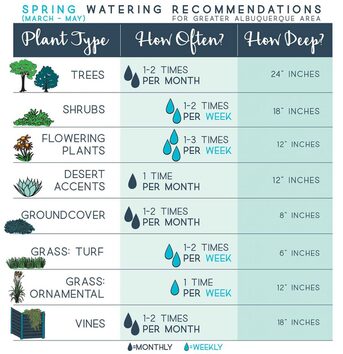
For trees in particular you want to continue deep watering at least once a month. We recommend target watering half way between the trunk and the drip line (the outer area directly under the edges of the tree's branches) to a little ways past the dripline itself as the roots often extend far past the canopy.
Written by Vanessa Hairston
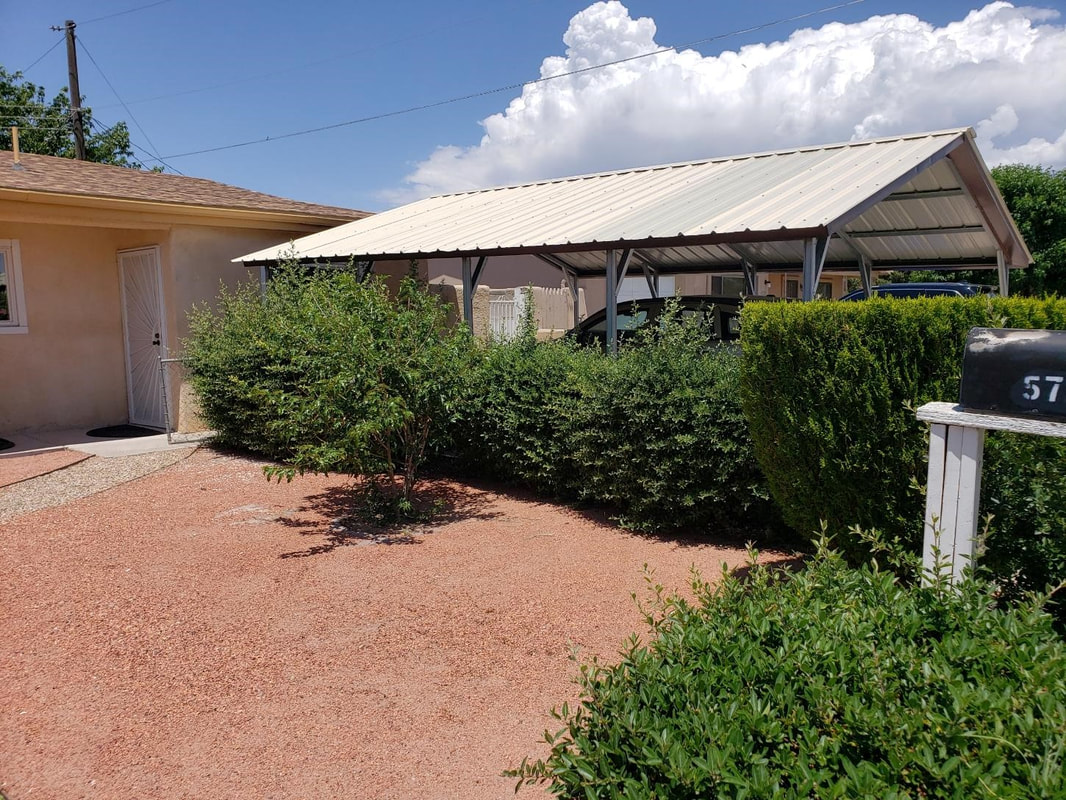
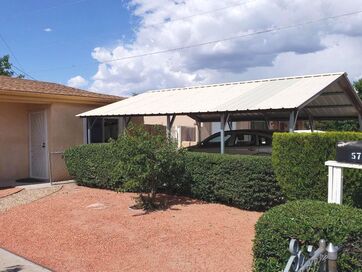
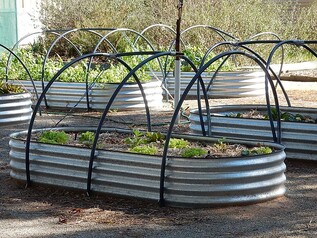
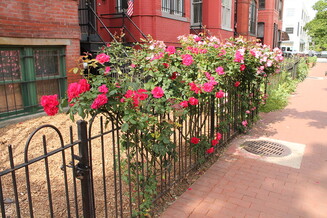
Pyracanthas Also known as a Firethorn, Pyracantha are evergreen shrubs that are wonderful for year round interest and coverage to the landscape either as a hedge - height, width, and depth - or as an espalier (right) - just height and maybe some width against a supporting frame. They also produce little white flowers in the spring and red, orange or yellow berries in the cooler months, which makes them a magnet for birds and wildlife when food is scarce. Now, Pyracanthas are typically quite thorny which can make pruning a bit difficult for those who don't do it often and, if left for too long, the shrubs can become quite unruly and a possible hazard depending on their location. One of our customers had trimming on her list as she was experiencing this first hand as you can see in the pictures below. The shrubs were partially blocking her mailbox, her front gate and were growing out under her carport and towards any vehicles that might be parked there. While it does take a little while to reach this point, it can be easily handled by trimming the plant to shape. If you want to hard prune - when you really cut a plant back and/or down - the shrub, we recommend confining that to the Spring and the late Autumn, even though Pyracanthas are hardy enough that they can technically handle trimming at any time. Written by Vanessa Hairston Gardening time! Your garden should be ready by now and maybe even in use, but you can still grow more! • Plant raspberries, grapes, asparagus and other vegetables such as tomatoes, peppers, (bush) beans, beets, carrots, celery, potatoes, cucumbers, squash and melons. • Strawberries can be planted anytime during the month, and established ones will not be very affected by cold nights. And of course, • Continue planting seeds for the upcoming summer season! Doing this in the successive or staggered method means you are more likely to have continuous harvesting throughout the season.
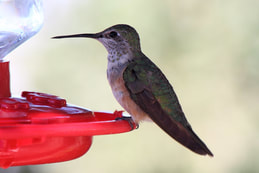
Happy Hummers! Though to some it may seem early, if you haven't put out your hummingbird feeders out yet, you should probably do it now. To fill their feeders start with a 1 part white sugar to 4 part water solution, or a 1:3 solution if you want it really sweet. Do Not Use artificial sweeteners, food coloring or honey in your recipe. Use warm or hot water to make sure all the sugar dissolves. Now just let it cool and put it in your feeder! Make sure you change out the food every few days , especially in the warmer weather, and clean your feeder every time you fill it up with hot water or a weak vinegar solution. Here in New Mexico we actually get about 17 different species throughout the state. Many are migrating, and a few prefer the southern area of the state, but some species definitely stick around, especially in the summer. The Black-Chinned Hummingbird and the Broad-Tailed Hummingbirds are really the most common around Albuquerque, the Sandias, and Santa Fe. Other common species that hang around are the Calliope and Rufous Hummingbirds, but you won't really see them around until July. |
Robert HairstonWith over three decades of experience in the residential yard care industry, I've tackled everything from neglected lawns to designing landscapes for microclimates. I've worked with irrigation systems, sodding, seeding, mowing, aerating, and more. In this blog, I’ll share monthly yard maintenance tips based on my extensive experience. While some advice dates back years, most of it remains relevant to today’s lawn and landscape needs. Archives
November 2025
Categories
All
Categories
All
|


RSS Feed